Introduction
Family is often described as the first school of life, the place where children learn how to feel, respond, express, and develop their emotional blueprint. Yet, in today’s fast-paced world, families often unintentionally lose touch with each other’s emotional worlds. This is where the concept of Family Empathy Building becomes incredibly powerful. It is more than just being kind or gentle. It is the practice of deeply understanding each other’s feelings, validating emotions, and nurturing a space where everyone feels safe, seen, and valued. When empathy becomes a core part of family life, relationships grow stronger, conflicts reduce, and emotional resilience flourishes.
Understanding What Empathy Really Means in a Family Setting
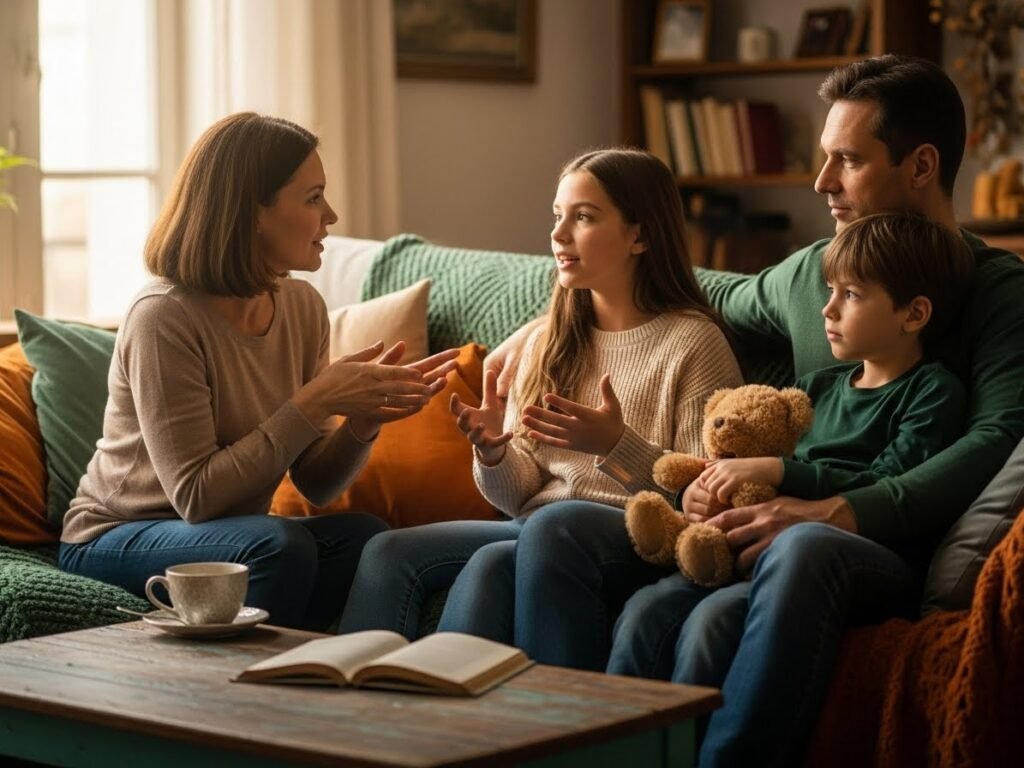
Empathy within a family is the ability to step into each other’s shoes and genuinely feel what someone else is going through. It is the foundation of emotional intelligence and the heart of strong communication. While sympathy says “I feel sorry for you,” empathy says “I am with you.” When parents model empathy, children learn to mirror the same compassion in their daily interactions. This creates a ripple effect that influences siblings, grandparents, extended family, and even friendships outside the home.
In family relationships, empathy means slowing down to listen without judgment, interpreting emotional cues, and showing that everyone’s feelings matter. It means responding with patience rather than reacting with anger. Most importantly, it creates emotional safety, the cornerstone of healthy family bonding.
Why Family Empathy Building Matters More Than Ever
The modern world is noisy, rushed, and emotionally overwhelming. Families often navigate stress from work, school, social media, financial pressures, and personal responsibilities. This intensity can disconnect family members from each other. Children may feel misunderstood. Parents may feel overwhelmed. Siblings may feel unseen. Empathy steps in as a healing bridge, reconnecting hearts that have unintentionally drifted apart.
When families prioritize empathy, they create an environment where communication flows openly. It reduces emotional distance, strengthens trust, and helps resolve conflicts more peacefully. In an empathetic home, children learn that their voice matters. Parents feel appreciated. Siblings build deeper mutual respect. Such homes become places of comfort rather than tension, growth rather than criticism, and connection rather than disconnection.
How Empathy Transforms Daily Family Interactions
Empathy is not a one-time action but a way of living. Even small, everyday interactions are opportunities to build stronger bonds. When a child comes home upset, an empathetic parent listens without dismissing their emotions. When a parent has a stressful day, empathetic children learn to respond with kindness because that is what they have observed. When siblings fight, empathy helps them resolve conflicts with understanding rather than competition.
One of the most transformative effects of empathy is the power it has on emotional regulation. Children raised in empathetic environments grow up to be more self-aware, socially confident, and emotionally mature. They are better at handling stress, forming friendships, and expressing themselves. Adults in these families also benefit, experiencing less tension, more cooperation, and stronger emotional connections.
Empathy as a Key to Conflict Resolution
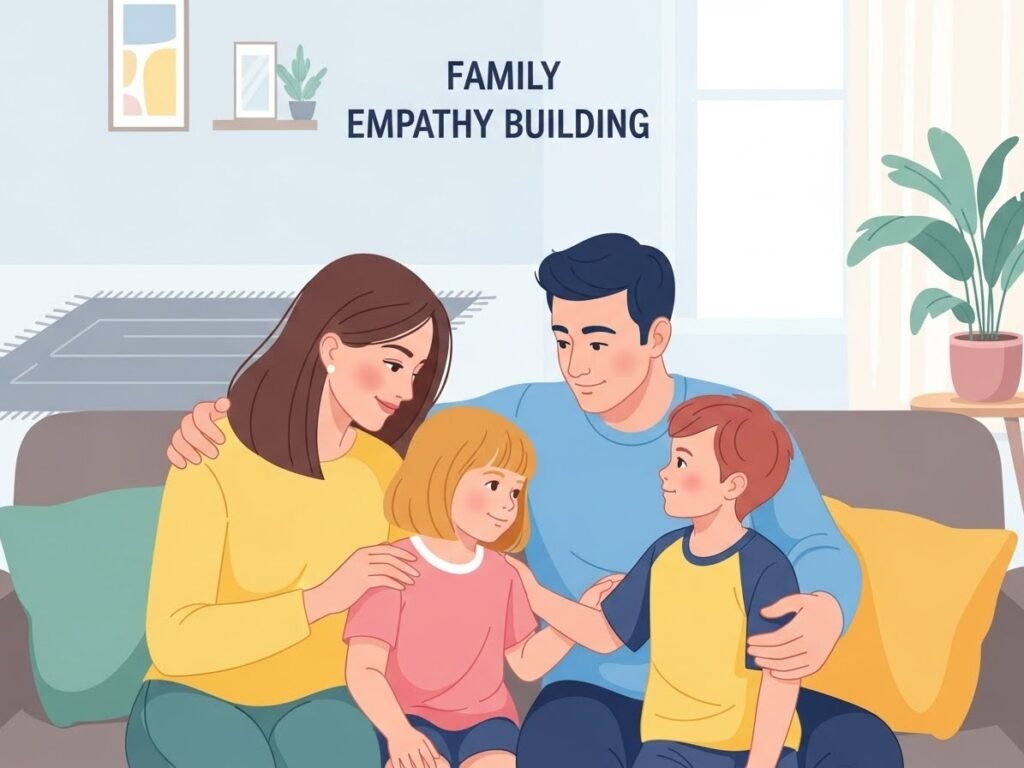
Family conflicts are unavoidable, but empathy makes them manageable. Instead of disagreements turning into emotional wounds, empathy helps family members express themselves respectfully. Rather than focusing on who is right, the focus shifts toward understanding why someone feels the way they do. This shift changes the entire dynamic of conflict resolution.
Empathy teaches families to pause before reacting. It encourages active listening, where each person genuinely tries to understand the other’s perspective. It promotes emotional validation, which can instantly soften tension. It also helps repair relationships after arguments, ensuring conflict doesn’t leave behind resentment. Families who practice empathy consistently find themselves resolving conflicts quicker and bonding deeper after every challenge.
Raising Children Who Understand Feelings
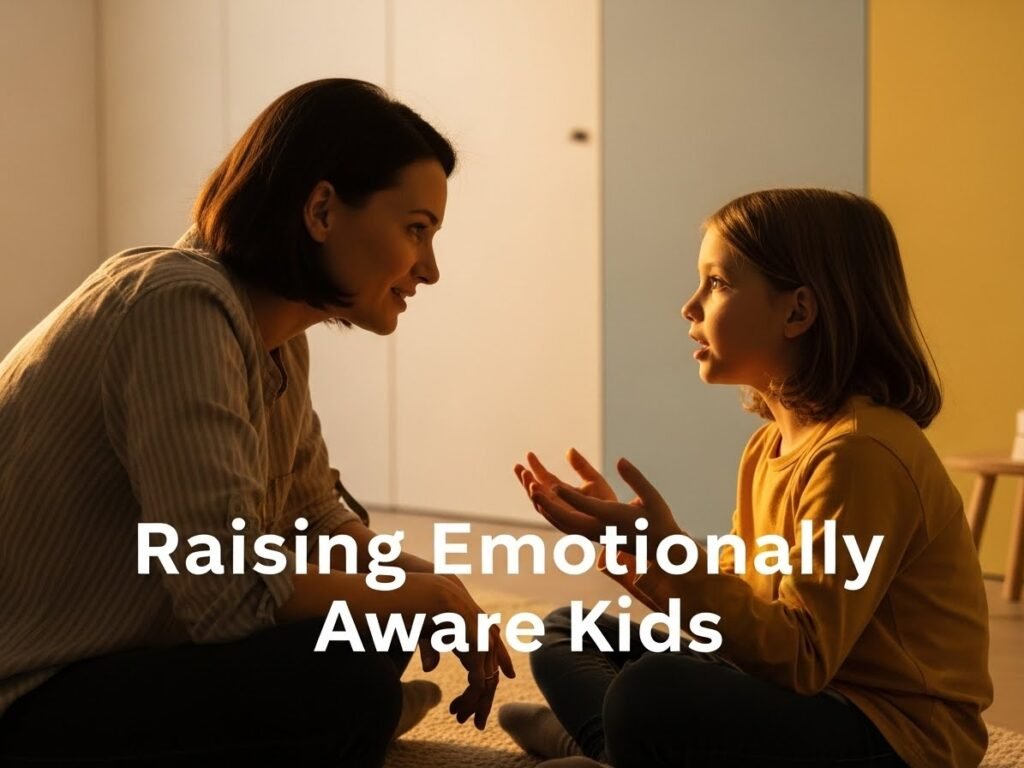
Empathy is a gift parents give to their children that lasts a lifetime. When children grow up in empathetic families, they learn compassion, patience, and emotional awareness naturally. These skills help them succeed academically, socially, and emotionally. Children who understand their own feelings and the feelings of others show higher levels of maturity and confidence.
Parents can nurture emotional intelligence by being emotionally present, labeling feelings in everyday situations, and modeling empathetic responses. When a child feels heard, they automatically feel valued. This increases their trust in their parents and strengthens their emotional well-being. Over time, these children develop stronger relationship skills and a healthier sense of self.
Empathy Between Siblings and Its Long-Term Impact
Sibling relationships are often the longest relationships of a person’s life, and empathy plays a crucial role in shaping their quality. When empathy becomes a natural part of sibling interaction, rivalry reduces and cooperation increases. Siblings learn to share emotional space, support each other in difficulties, and celebrate each other’s achievements without jealousy.
Empathy teaches siblings that even though they may have different personalities, strengths, and emotional needs, they deserve mutual understanding. This early foundation helps them maintain close relationships well into adulthood, creating lifelong bonds built on trust and kindness.
Creating an Empathetic Family Culture
Building empathy in a family requires intention, patience, and consistency. It starts with communication and the willingness to understand before being understood. Families can build empathy by creating daily moments of connection, practicing reflective listening, and encouraging open emotional expression. When everyone in the family contributes to this culture, the home becomes a place where vulnerability is welcomed, honesty is respected, and emotional warmth thrives.
An empathetic family culture also requires compassion toward oneself. Parents who take care of their emotional health are better equipped to show empathy to their children. Children who are taught self-empathy learn to manage their feelings without suppressing or ignoring them. This holistic approach strengthens emotional harmony for every member of the family.

The Lifelong Benefits of Family Empathy Building
The impact of empathy does not end within the household. Children and adults carry these skills into their friendships, relationships, workplaces, and communities. Families who practice empathy raise individuals who are kind-hearted, emotionally mature, and socially responsible. These people contribute positively to society because they understand how to navigate emotions respectfully and build meaningful relationships.
Empathy builds bridges across generations. It strengthens connections with grandparents, unites extended families, and fosters healing in strained relationships. From childhood to adulthood, empathy remains a guiding light in how individuals show up in the world. When families cultivate it intentionally, they create a legacy of emotional connection that lasts for generations.
Conclusion
Family Empathy Building is not just a trend; it is a powerful practice that reshapes the emotional foundation of a home. In a world full of pressure and distraction, empathy reconnects families with warmth, trust, and genuine understanding. When practiced consistently, it strengthens every relationship within the household and creates a loving environment where everyone feels valued. By prioritizing empathy, families nurture emotional resilience, deepen connections, and build a future where kindness and understanding become the core of every interaction.
FAQS
1. How can parents teach empathy to children in everyday life?
Parents can teach empathy by modeling it in their daily interactions. When children see adults listening calmly, acknowledging emotions, and responding with understanding, they naturally learn to mirror the same behavior. Using simple emotional language, validating feelings, and showing patience during conflict also helps children develop empathy organically.
2. What are the signs of an empathetic family environment?
An empathetic family environment is one where members listen to each other without interruption, express emotions openly, and respect different perspectives. Conflicts are handled with patience instead of anger. Everyone feels safe sharing their thoughts, and emotional support is offered freely. Such families tend to have stronger bonds, fewer arguments, and more trust.