Introduction
In today’s digital world, relationships are constantly evolving. Communication has become faster, boundaries have shifted, and emotional awareness has taken center stage. Yet, amid this progress, one disturbing psychological pattern has gained massive attention and search volume worldwide gaslighting. This term, rooted in emotional manipulation, has become one of the most Googled relationship keywords in recent years. The rise of searches reflects a powerful truth: people are waking up to the reality of hidden emotional abuse. According to Google Trends, searches for gaslighting have surged by more than 380 percent over the past year, making it one of the most talked-about relationship terms globally.
Understanding Gaslighting: What It Really Means
Gaslighting is a psychological manipulation tactic where one person seeks to make another doubt their own memory, perception, or sanity. The term originates from the 1944 movie Gaslight, where a husband manipulates his wife into believing she is going insane by subtly altering her environment and denying it. In relationships, gaslighting often manifests in small but repeated behaviors that cause the victim to question their own reality. For example, if you confront a partner about hurtful behavior and they say, “You’re imagining things,” or “You’re too sensitive,” this might be a form of gaslighting. Over time, such responses chip away at your confidence and clarity. You begin to rely on the manipulator’s version of events instead of trusting your own instincts.

The Hidden Power of Gaslighting
What makes gaslighting so insidious is its subtlety. Unlike overt abuse, which is visible and easier to identify, gaslighting operates quietly in the background. It can happen in romantic relationships, friendships, family settings, or even workplaces. The manipulator’s goal is control they seek to dominate another person’s emotional and mental space. Psychologists describe gaslighting as a way of “shifting reality.” The abuser might rewrite past events, deny their own hurtful actions, or blame the victim for things they did not do. Slowly, the victim becomes emotionally dependent on the gaslighter for validation and truth.
Common Signs You’re Being Gaslighted
Recognizing gaslighting is the first step toward healing. Below are some of the most common red flags:
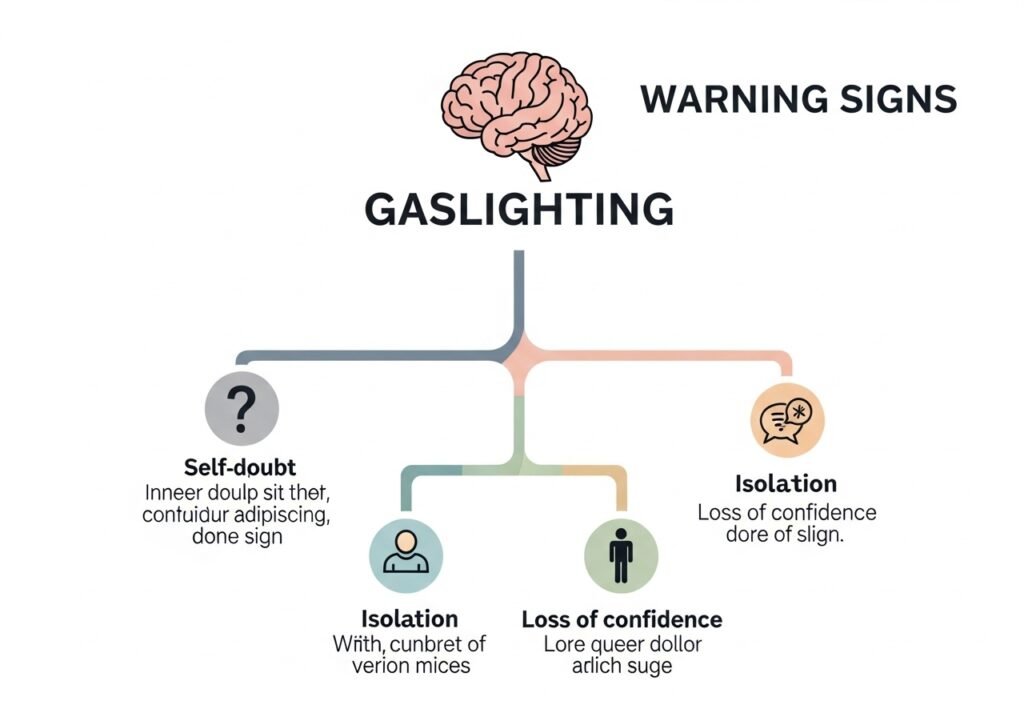
- Constant Self-Doubt: You find yourself questioning your memory or judgment, even in simple matters.
- Frequent Apologies: You apologize often, even when you’ve done nothing wrong.
- Feeling Confused or “Crazy”: The manipulator’s denial of your experiences makes you feel unstable.
- Walking on Eggshells: You feel nervous around them, trying to avoid saying or doing something “wrong.”
- Loss of Confidence: You no longer trust your instincts or emotions.
- Isolation: Gaslighters often discourage their victims from talking to others who might see the truth.
If several of these signs resonate with you, it’s possible that gaslighting is occurring in your relationship.
How Gaslighting Damages Relationships
Gaslighting doesn’t just cause emotional pain; it destroys the foundation of trust that relationships are built on. When one partner constantly manipulates the other’s reality, love turns into control. The victim becomes emotionally exhausted, anxious, and even depressed. In healthy relationships, both people respect each other’s perceptions and emotions. They listen, validate, and communicate. Gaslighting, on the other hand, replaces empathy with domination. The gaslighter’s need to “win” every argument or avoid accountability outweighs the importance of mutual respect. Over time, this leads to emotional distance, resentment, and sometimes trauma.
Research in psychology suggests that long-term exposure to gaslighting can cause Complex Post-Traumatic Stress Disorder (C-PTSD), affecting self-esteem, mental clarity, and emotional regulation. Victims often describe feeling like “a shadow” of their former selves.
The Psychology Behind Gaslighting
Why do people gaslight? Not all gaslighters are consciously malicious, but their behavior often stems from deep insecurity or a desire to maintain control. Some may have learned manipulation as a survival strategy in childhood, while others use it to protect their ego from guilt or shame. According to mental health experts, gaslighting often coexists with narcissistic personality traits. Narcissistic individuals struggle to accept responsibility for their actions, so they distort the truth to maintain their self-image. This pattern creates a toxic dynamic where one person’s need for power crushes the other’s sense of reality.
Social Media and the Rise of Gaslighting Awareness
The explosion of gaslighting as a trending term is largely due to social media awareness. Platforms like TikTok and Instagram are filled with short videos explaining emotional abuse patterns, allowing millions to recognize behaviors they once ignored. Hashtags like #gaslighting, #toxicrelationships, and #emotionalabuse have accumulated billions of views, highlighting a collective awakening about mental health and emotional well-being. This digital awareness has empowered people, especially women and young adults, to label manipulation for what it is. Recognizing gaslighting doesn’t just protect individuals it shifts social standards toward accountability and healthier relationships.

Healing from Gaslighting
Recovering from gaslighting takes time, compassion, and professional support. The first step is to reconnect with your own truth. Journaling your thoughts, keeping records of conversations, and talking to trusted friends or therapists can help you rebuild confidence in your perceptions. Therapy, especially trauma-informed counseling, is crucial for understanding how gaslighting affected your emotional and cognitive health. It helps you relearn trust in your inner voice. Setting clear boundaries is another vital step. If the relationship cannot change or continues to harm you, separation might be the healthiest path forward. Healing also involves self-compassion. Remember, gaslighting is not your fault. You were manipulated by someone who exploited your empathy. As you heal, focus on self-care practices that ground you meditation, nature walks, creative hobbies, and connecting with supportive communities.
How to Stop Gaslighting in Relationships
If you recognize gaslighting tendencies in yourself or your partner, change begins with awareness. Here are steps to stop the cycle:
- Acknowledge the Behavior: Accept that gaslighting is occurring. Denial only deepens the damage.
- Communicate Honestly: Create space for open dialogue without blame.
- Seek Professional Help: Couples therapy or individual counseling can guide emotional healing.
- Practice Accountability: Take responsibility for your words and actions.
- Build Emotional Intelligence: Learn to validate each other’s feelings rather than dismissing them.
Healthy relationships are built on respect, trust, and empathy qualities that cannot coexist with manipulation.

Why Gaslighting Awareness Matters Now More Than Ever
In a world overflowing with information, emotional clarity is power. The rise of gaslighting as a global search term reveals a profound societal shift. People are finally prioritizing mental health in relationships, not just love or attraction. Awareness of gaslighting helps individuals recognize toxic behaviors early, preventing years of psychological harm. Understanding this manipulation doesn’t only protect you it transforms how you engage with others. As more people become emotionally educated, the culture of silence around psychological abuse begins to dissolve. Gaslighting awareness marks a new chapter in human connection one where emotional truth is no longer negotiable.
Conclusion
Gaslighting is not just a trending keyword; it’s a mirror reflecting society’s growing emotional intelligence. Millions are realizing that love cannot thrive in distortion. The journey toward healing begins with a single realization your emotions and perceptions are valid. When you reclaim your truth, you reclaim your power. You become grounded, self-aware, and immune to manipulation. And in that awareness lies the most liberating truth of all: healthy love honors your reality, not denies it.
FAQs
1. How do I know if someone is gaslighting me?
If you often feel confused, doubt your memory, or question your emotions after talking to someone, you might be experiencing gaslighting. Common signs include being told you are overreacting, feeling guilty for things that are not your fault, or sensing that your reality is constantly dismissed. Keeping notes of interactions and discussing them with a trusted friend or therapist can help you identify patterns of manipulation.
2. Can a gaslighter change their behavior?
Change is possible, but it requires self-awareness, accountability, and professional guidance. A gaslighter must first recognize their manipulative behavior and genuinely want to stop. Therapy, emotional intelligence training, and open communication can help, but if the person continues denying or justifying their actions, it’s important to prioritize your emotional safety and set strong boundaries.