Introduction
Relationships come in countless shapes and forms, and in today’s evolving social landscape, people are finally finding language to describe the bonds that never fit neatly into “friend” or “partner.” Among these emerging terms, queerplatonic relationships (QPRs) have become increasingly visible and widely discussed. This unique relationship model breaks traditional boundaries, offering a space where emotional closeness can flourish without romantic or sexual expectations. For many, a queerplatonic relationship is the perfect description of a bond that feels deeper than friendship yet different from romance something beautifully in-between. In this article, we explore what queerplatonic relationships really are, how they function, and why they are becoming a trending topic across Google and social media today.
What Is a Queerplatonic Relationship?
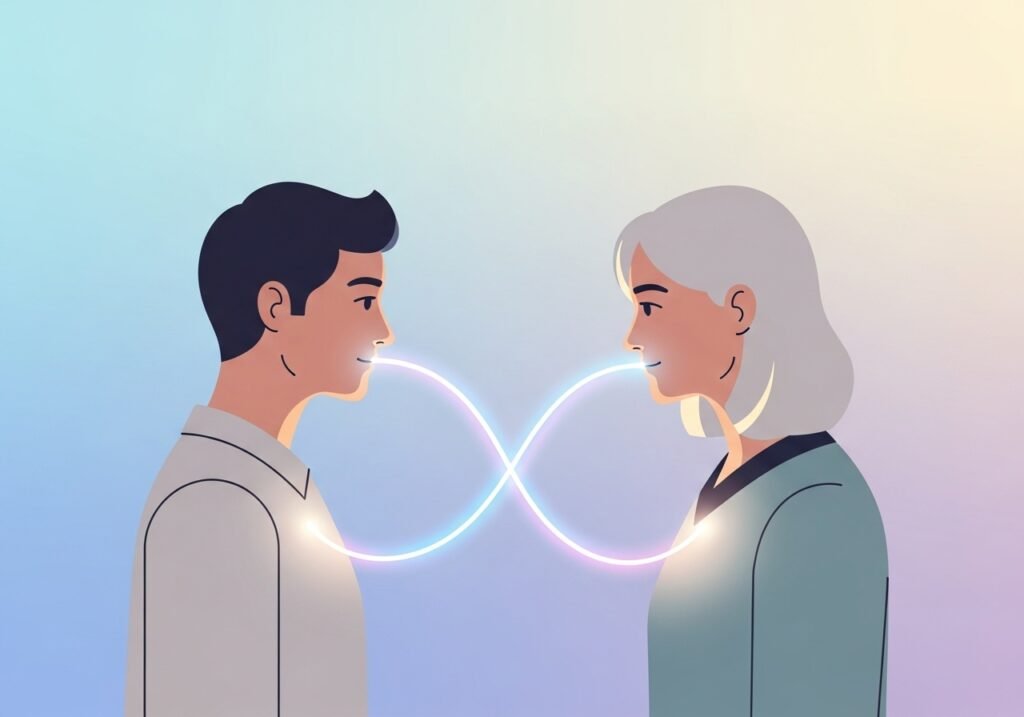
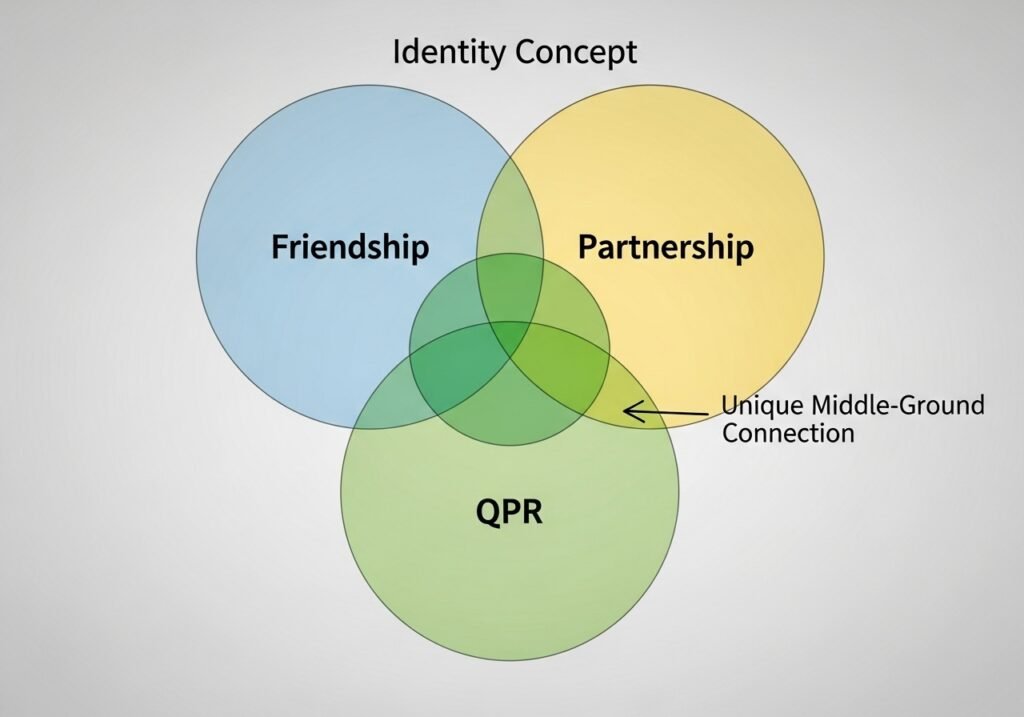
A queerplatonic relationship (QPR) is a committed, emotionally intimate partnership that is neither romantic nor sexual, yet deeper and more significant than what most people consider typical friendship. Unlike romance-centered language, QPRs define connection based on emotional intensity, loyalty, and chosen commitment rather than traditional labels. At its core, a QPR allows two people to form a life-shaping bond without needing to meet romantic expectations.People in queerplatonic relationships often describe the bond as:
- More meaningful than friendship
- Deeply supportive and loyal
- Emotionally intense
- Non-romantic and often non-sexual
- Built on mutual agreement rather than societal rules
Why the Term ‘Queerplatonic’ Matters Today
The word “queerplatonic” emerged within queer and asexual communities as a way to define connections not centered on romance something that society has historically overlooked. For decades, culture has promoted the idea that romance is the ultimate relationship goal. But modern generations, particularly Gen Z and young millennials, are challenging this hierarchy.
Today’s digital culture shows a massive shift in how people relate:
- More individuals identify on the asexual or aromantic spectrum
- Friendships are becoming just as significant as romantic bonds
- People are prioritizing emotional support networks
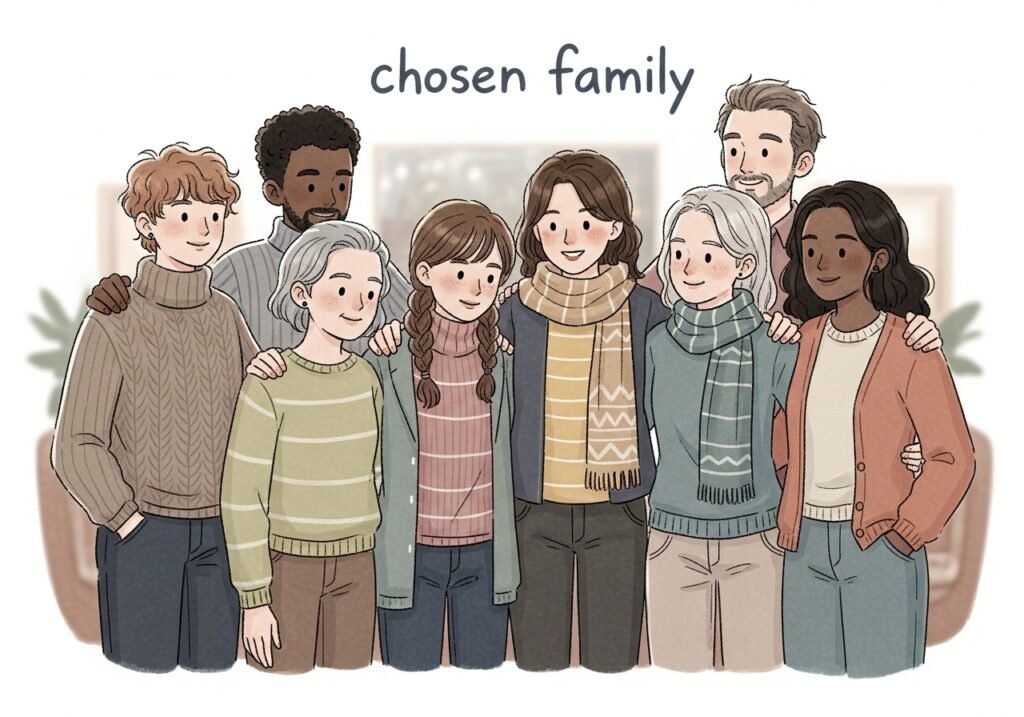
- Chosen families are becoming more common
This shift means more people are searching for language to explain meaningful, non-romantic connections. Hence the growing popularity of queerplatonic relationships.

Key Features of a Queerplatonic Relationship
Although every QPR looks different, some common themes stand out:
1. Intense Emotional Connection
Partners in QPRs share a high level of emotional intimacy. They may rely on each other for support, celebrate milestones together, or share vulnerabilities in ways usually reserved for romantic partners.
2. Commitment Defined by Choice
QPRs aren’t dictated by traditional norms. The people involved decide what their commitment looks like whether that includes living together, sharing finances, or simply being each other’s primary support.
3. No Romantic Expectations
Romance is not a requirement. In fact, most QPRs exist specifically because the individuals prefer a non-romantic bond or identify as aromantic.
4. Boundaries Shaped by Communication
Since society doesn’t provide a script for queerplatonic relationships, boundaries are openly created and consistently discussed. This makes communication one of the strongest pillars of a QPR.
5. A Partnership Without Labels
Unlike traditional friendships, QPRs often include terms like “partner,” “life companion,” or “zucchini” (a lighthearted nickname used within some communities).
Why QPRs Are Trending: The Emotional Need Behind the Search
The rising popularity of queerplatonic relationships reflects deeper cultural changes. People crave meaningful bonds that honor their identity and emotional needs without forcing them into predefined categories. Here are some reasons the topic is trending:
1. Increasing Awareness of Asexual and Aromantic Identities
More people are recognizing that romance isn’t a universal experience. QPRs provide a meaningful alternative that validates aro/ace identities.
2. The Loneliness Epidemic
Global studies show loneliness rising dramatically. As a result, people are rethinking connection and seeking deeper companionship outside romantic relationships.
3. Redefining Modern Partnership
Younger generations are challenging the idea that your romantic partner must be your primary source of emotional support. Instead, they emphasize community, friendship, and chosen family.
4. Social Media Visibility
Platforms like TikTok, Reddit, and Instagram are filled with discussions, personal stories, and QPR relationship advice boosting awareness and search interest.
What Makes a Queerplatonic Relationship Strong?
Like any meaningful connection, a strong QPR is built on intentional effort. Here are the elements that help it thrive:

1. Mutual Understanding
Both individuals must clearly understand what the relationship means to them. A shared definition avoids confusion and ensures emotional needs are met.
2. Transparent Communication
Because QPRs have no societal script, open dialogue becomes essential. Partners discuss expectations, boundaries, and commitments from the start.
3. Emotional Safety
A QPR thrives when partners feel deeply safe, validated, and supported. Emotional security is central to the bond.
4. Flexible Structure
Queerplatonic partners shape their relationship around their lives not the other way around. They choose what milestones matter to them.
5. Respect for Other Relationships
Many people in QPRs may also have romantic or sexual partners, while others may not. Respecting each other’s external connections keeps the relationship healthy.
Signs You Might Be in a Queerplatonic Relationship
You might be in a QPR if:
- You feel a connection deeper than friendship but not romantic
- You prioritize each other in major life decisions
- You feel emotionally interdependent
- You share responsibilities or future plans together
- You use partner-like language without romantic undertones
- You feel “something more,” yet not romantic attraction
The defining factor is how you and the other person feel. A QPR is valid the moment you both name and honor it.
How to Start a Queerplatonic Relationship
If you think you’ve found someone with whom you share a deep platonic bond, here’s how to explore a QPR:
1. Initiate a Conversation
Start by expressing how much the relationship means to you. Ask them how they define your bond.
2. Share What You Want
Be clear about what you want the partnership to look like emotional support, shared responsibilities, living arrangements, etc.
3. Define Boundaries and Expectations
Discuss what each of you is comfortable with and what you hope to build together.
4. Decide on Labels (If Needed)
Some QPR partners love labels; others prefer none. Choose what feels right.
5. Build the Relationship Intentionally
Like any partnership, a QPR requires time, care, and mutual commitment.
The Beauty of Queerplatonic Relationships
Queerplatonic relationships challenge the idea that romance must sit at the top of the relationship hierarchy. Instead, they celebrate the vast spectrum of human connection. By acknowledging QPRs, we broaden the space for emotional intimacy and create room for partnerships built on authenticity, trust, and chosen commitment. In a world where many people feel unseen or misunderstood, queerplatonic relationships offer validation a reminder that love doesn’t have to look one specific way. It can be soft, deep, meaningful, loyal, and life-changing… without being romantic.
FAQS
FAQ 1: Is a queerplatonic relationship the same as a deep friendship?
No. While a queerplatonic relationship can feel similar to a deep friendship, it often includes a stronger emotional commitment, intentional partnership, and a sense of priority that goes beyond typical friendships. QPRs are defined by the people in them and can include shared responsibilities, long-term planning, or partner-like support all without romantic or sexual expectations.
FAQ 2: Can you be in a queerplatonic relationship if you’re not aromantic or asexual?
Yes. Anyone of any orientation can be in a queerplatonic relationship. QPRs originally became common within aromantic and asexual communities, but they are not exclusive to them. Many people of all orientations form deep non-romantic partnerships when romance doesn’t fully describe their bond. The core of a QPR is emotional connection, mutual consent, and shared understanding not labels.