Introduction
In every family, communication is the invisible thread that holds relationships together. Words spoken with care can heal, while words spoken without awareness can slowly weaken emotional bonds. In today’s busy and digitally driven world, families often talk more but connect less. This is where Secure Family Communication becomes essential. It is not just about exchanging information; it is about creating an emotionally safe environment where every family member feels heard, respected, and understood. When communication feels secure, families grow stronger, conflicts soften, and trust deepens naturally.
Understanding the Meaning of Secure Family Communication
Secure family communication refers to a style of interaction where emotions are acknowledged, boundaries are respected, and honesty flows without fear of judgment. In such families, children feel safe expressing their thoughts, parents feel respected, and disagreements are handled with calm understanding rather than emotional damage. Security in communication means knowing that one’s voice matters, even when opinions differ.
This form of communication builds emotional safety, which is the foundation of healthy family relationships. It allows family members to share worries, joys, failures, and dreams without fear of being dismissed or criticized. Over time, this sense of security strengthens emotional resilience and deepens connection within the family unit.
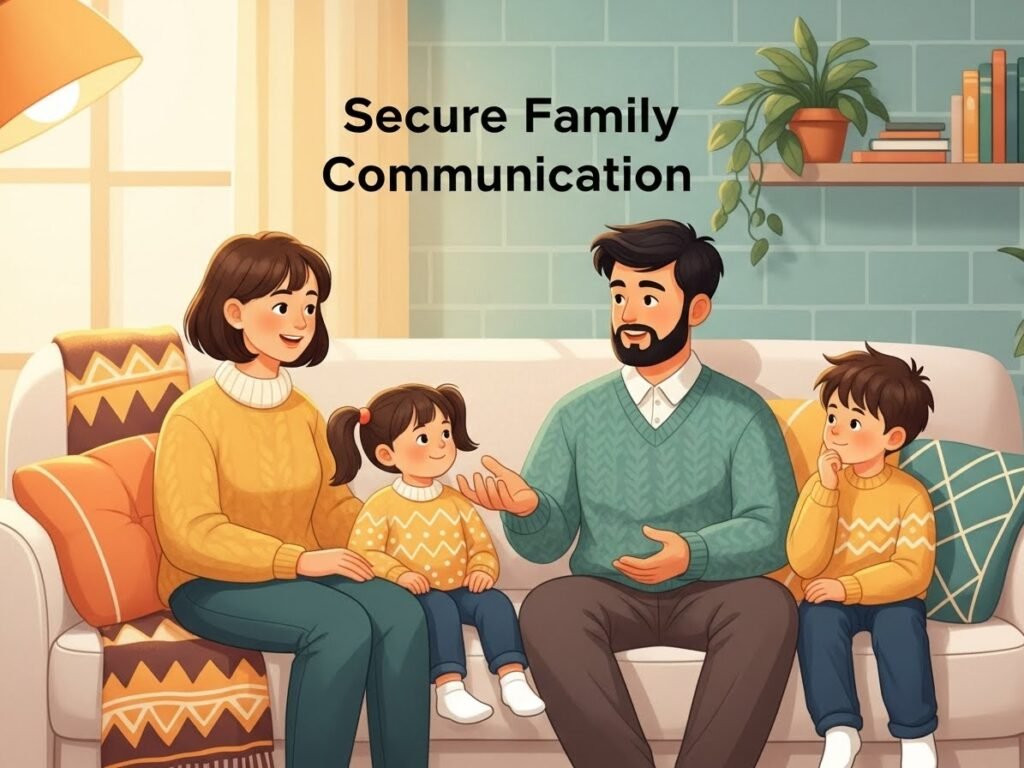
Why Secure Communication Is Vital in Modern Families
Modern families face unique communication challenges. Digital distractions, work stress, academic pressure, and social expectations can all interfere with meaningful connection. Many families spend time together physically but remain emotionally distant. Secure family communication helps bridge this gap by encouraging intentional listening and emotional presence.
When families communicate securely, children develop confidence in expressing themselves. Parents gain better insight into their children’s emotional needs. Misunderstandings reduce, and trust becomes a natural outcome rather than something that must be demanded. Secure communication also protects relationships during stressful phases of life, helping families navigate change without emotional breakdown.
The Role of Emotional Safety in Family Conversations
Emotional safety is at the heart of secure communication. It means creating a space where emotions are accepted rather than judged. In emotionally safe families, crying is not seen as weakness, anger is explored rather than punished, and silence is respected when someone needs time.
When emotional safety exists, family members feel comfortable sharing their vulnerabilities. Children are more likely to talk about their fears and mistakes. Teenagers are more open about their struggles. Parents feel supported rather than alone. This level of openness strengthens trust and prevents emotional isolation within the family.

How Secure Communication Shapes Children’s Development
Children raised in families with secure communication grow up with strong emotional intelligence. They learn how to express feelings clearly, listen actively, and resolve conflicts respectfully. These skills support their academic performance, friendships, and future relationships.
When parents respond with understanding rather than immediate correction, children feel valued. This builds self-esteem and emotional confidence. Secure communication also helps children develop healthy boundaries and learn how to navigate difficult conversations without fear. Over time, they carry these skills into adulthood, forming healthier relationships and stronger social connections.
Secure Communication Between Parents and Teenagers
The teenage years are often marked by emotional intensity and communication challenges. Teenagers seek independence while still needing emotional security. Secure family communication helps parents remain connected during this sensitive stage. Instead of control or constant correction, secure communication focuses on mutual respect and trust.
When teenagers feel heard rather than judged, they are more likely to share their thoughts and experiences. Secure communication allows parents to guide without forcing, support without smothering, and correct without damaging self-worth. This approach strengthens the parent-teen bond and reduces emotional distance.
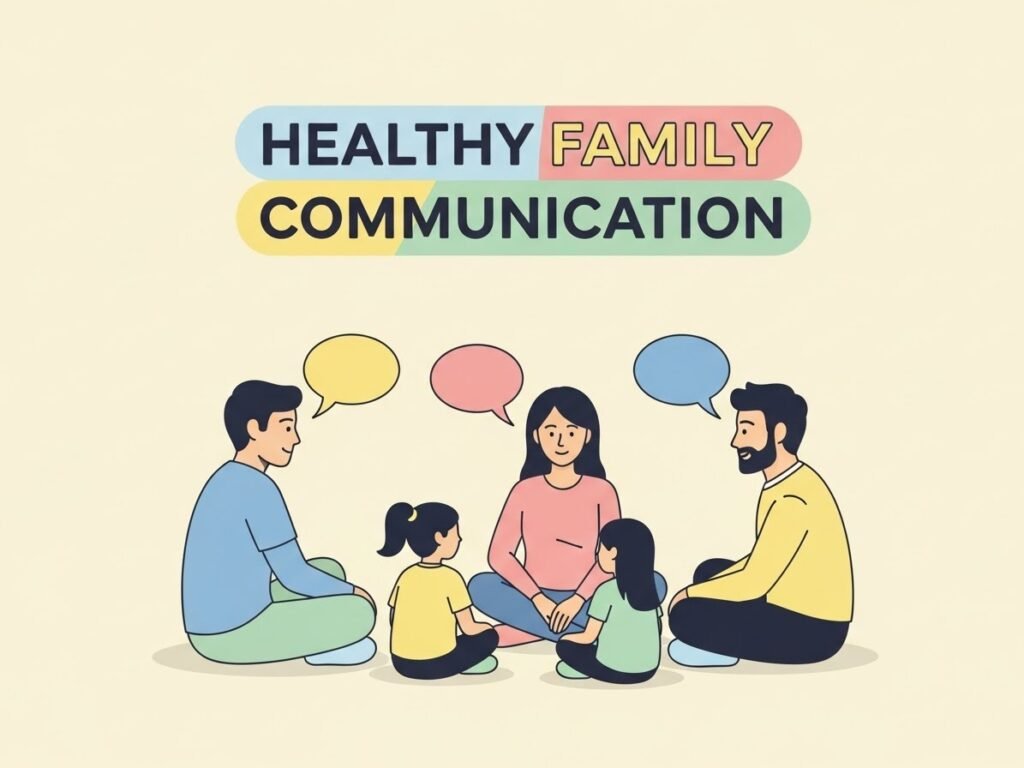
Strengthening Sibling Relationships Through Communication
Sibling relationships are deeply influenced by how communication is handled at home. Secure communication encourages siblings to express feelings honestly without fear of blame. It helps them resolve conflicts through understanding rather than competition.
When siblings learn to listen to each other and respect emotional boundaries, rivalry decreases and cooperation increases. Parents who model secure communication teach siblings empathy, patience, and mutual respect. These skills help siblings build strong lifelong relationships based on trust and emotional understanding.
Overcoming Communication Breakdowns in Families
Every family experiences moments of miscommunication. What matters is how these moments are handled. Secure family communication allows families to repair emotional disconnects instead of ignoring them. A willingness to listen, acknowledge mistakes, and reconnect emotionally helps restore trust.
Repairing communication involves patience and consistency. Families that prioritize understanding over winning arguments are more successful at healing emotional wounds. Secure communication ensures that disagreements do not turn into long-term resentment, preserving the emotional health of the family.

Creating a Culture of Open and Secure Communication
Building secure communication within a family requires daily intention. It grows through small moments of presence, thoughtful responses, and genuine curiosity about each other’s emotions. Families that create routines for connection, such as shared conversations or emotional check-ins, naturally strengthen communication security.
This culture encourages honesty, emotional awareness, and compassion. It also allows family members to feel supported during difficult times. Secure communication becomes a shared family value, shaping how everyone interacts both inside and outside the home.
Long-Term Benefits of Secure Family Communication
The impact of secure family communication extends beyond childhood. Adults who grow up in emotionally secure families carry strong relationship skills into their personal and professional lives. They are better listeners, clearer communicators, and more empathetic individuals.
Secure communication also strengthens generational bonds, improving relationships with extended family members. It builds a legacy of emotional health that influences future parenting styles and relationship patterns. Families that communicate securely create emotionally resilient individuals who contribute positively to society.
Conclusion
Secure Family Communication is a powerful foundation for healthy relationships, emotional safety, and lasting trust. In a world filled with distractions and emotional noise, families who communicate with care and intention create a safe haven of understanding and connection. By nurturing secure communication, families strengthen their bonds, resolve conflicts with compassion, and build a future rooted in emotional security and mutual respect.
FAQs
1. How can families improve communication without conflict?
Families can improve communication by listening without interruption, validating emotions, and responding calmly. Creating a safe space where everyone feels respected helps prevent conflict and strengthens trust.
2. What makes communication feel secure for children?
Communication feels secure for children when parents listen without judgment, respect emotions, and avoid harsh reactions. Consistent emotional support helps children feel safe expressing themselves.