The Foundation of a Unique Relationship
There is a special kind of relationship that begins before we truly understand what love, trust, or companionship mean the bond between siblings. Sibling bonding is one of the most profound and enduring forms of human connection. It is the invisible thread that ties brothers and sisters together through laughter, rivalry, secrets, and shared memories. Long before friendships or romantic relationships take form, it is our siblings who teach us the raw and real emotions that define human connection. Whether born into a large family or growing up with one brother or sister, the dynamics of sibling bonding leave lasting imprints on our emotional world.
Childhood: The Birthplace of Connection
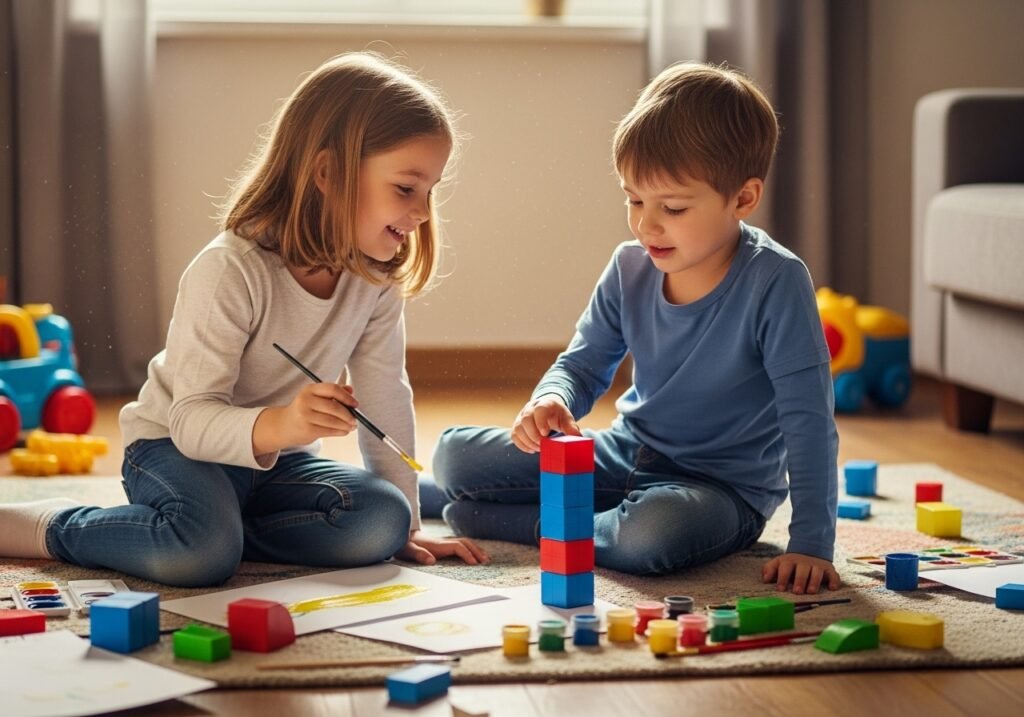
From early childhood, siblings play a crucial role in each other’s emotional and social development. They become the first playmates, confidants, and sometimes rivals who shape our sense of belonging. Through shared experiences from playful fights over toys to comforting hugs during tears children learn important life skills such as empathy, conflict resolution, patience, and forgiveness. These early interactions serve as emotional rehearsals for future relationships. When a child learns to share, negotiate, or stand up for themselves with a sibling, they are essentially developing emotional intelligence that will guide them through school friendships, workplace dynamics, and even romantic partnerships later in life.
Growing Up and Growing Apart
Sibling bonding often deepens with time, though the relationship may evolve through different life stages. During adolescence, when self-discovery and independence take center stage, siblings might drift apart temporarily, especially as they seek individuality and personal freedom. However, even in these moments of distance, the foundation of shared childhood memories and unconditional acceptance often remains intact. As adulthood approaches, many people find themselves returning emotionally to their siblings not out of obligation, but from a renewed understanding of their shared roots. The bond matures into one based on mutual respect, understanding, and emotional support.
Distance, Time, and the Unbreakable Connection
One of the most remarkable things about sibling bonding is how it can withstand distance and time. Life often takes siblings to different cities or even continents, yet a single phone call, a family gathering, or an old photograph can reignite that warmth instantly. Unlike many other relationships that require continuous nurturing to survive, sibling relationships tend to rest on a deep emotional familiarity that time cannot erase. They know your history, your struggles, and your victories in a way no one else does. Siblings are witnesses to each other’s entire life stories the laughter, the tears, the growing pains, and the triumphs making the relationship a living archive of who you are.
The Beauty and Challenge of Sibling Rivalry
Sibling bonding is not always simple or perfect. Differences in personality, age gaps, and family dynamics can lead to rivalry, competition, or misunderstandings. Sibling rivalry is natural, especially in childhood when attention and approval from parents feel like valuable resources to compete for. But even within the friction, valuable emotional lessons unfold. When children fight and then make up, they learn forgiveness and empathy. They discover that love is not the absence of conflict, but the ability to heal after it. Parents play a vital role here fostering communication, fairness, and teamwork can transform rivalry into respect. Encouraging siblings to cooperate, appreciate each other’s strengths, and celebrate individual achievements lays the groundwork for a lifelong friendship rooted in love rather than competition.
Sibling Bonds in Adulthood
In adulthood, the nature of sibling bonding often depends on how the relationship was nurtured in earlier years. Those who shared deep emotional connections tend to remain close, providing one another with moral support during life’s transitions such as career changes, marriages, or the loss of parents. For many, siblings become emotional anchors in times of crisis. A brother or sister who has known you since childhood can provide comfort and perspective that even close friends cannot. In the tapestry of adulthood, where responsibilities and relationships become complex, having a sibling who understands your background and personality is a rare form of emotional safety.

Passing Love Across Generations
Sibling bonding also plays a crucial role in family stability and generational continuity. When siblings maintain strong connections, family traditions, memories, and values are passed down more naturally. Shared stories, holidays, and rituals help preserve family identity. As siblings grow older and start their own families, they often find joy in watching their children form the next generation of sibling bonds. It becomes a beautiful cycle what was once a childhood relationship transforms into a foundation for future generations to learn love, patience, and understanding.
Emotional and Psychological Benefits
Psychologically, the bond between siblings contributes to better emotional health. Research has shown that people who maintain close sibling relationships tend to experience lower levels of loneliness, anxiety, and depression. This is because sibling relationships are based on a kind of unconditional acceptance that often feels rare in other forms of relationships. Siblings have seen each other at their best and worst the tantrums, the failures, the awkward teenage years yet the love remains constant. This enduring sense of acceptance strengthens self-esteem and emotional security, helping individuals cope better with life’s challenges.

Sibling Bonding in the Modern World
In today’s fast-paced, digitally connected world, where genuine human connection often feels diluted, sibling bonding stands as a reminder of what authentic relationships mean. While social media portrays filtered moments of perfection, sibling relationships reveal the raw, unfiltered side of life messy, emotional, yet deeply meaningful. Taking time to nurture this bond can bring balance and grounding. Simple actions such as sharing old memories, planning family get-togethers, or offering a listening ear can reignite the emotional closeness that distance or adulthood may have dimmed.
Reconnecting and Healing Broken Bonds
Sibling bonding is not just a matter of shared DNA; it’s a lifelong emotional partnership that teaches love in its purest, most resilient form. It reflects both the innocence of childhood and the maturity of adult empathy. For those who may have drifted apart from their siblings due to misunderstandings, resentment, or life’s busyness, reconnecting can be incredibly healing. Reaching out with an open heart, offering forgiveness, or simply reminiscing over old photos can reignite that timeless spark of connection.

The Unbreakable Thread of Family
Ultimately, sibling bonding reminds us that family is not defined only by obligation, but by choice, effort, and love. It’s about showing up for one another through the storms and the sunshine. The laughter shared in childhood, the support offered in adulthood, and the comfort found in later years all weave together into a tapestry of lifelong companionship. Siblings are our mirrors, our anchors, and our memory keepers. They remind us of who we were, who we are, and who we are becoming. In a world that often changes too fast, sibling bonding remains one of life’s most unshakable constants a sacred connection that shapes the very essence of who we are.
FAQS
1. Why is sibling bonding important for emotional development?
Sibling bonding helps children learn essential life skills such as empathy, communication, and conflict resolution. Through shared experiences, siblings become emotional mirrors, teaching each other how to love, forgive, and cooperate lessons that carry into friendships, careers, and adult relationships.
2. How can adults strengthen their bond with siblings?
Adult siblings can strengthen their bond by making time for meaningful conversations, celebrating milestones together, and reconnecting through shared memories. Even small gestures like checking in regularly, offering support, or revisiting childhood traditions can reignite emotional closeness and rebuild trust.