Introduction
Among the many relationships we experience throughout life, the bond between siblings is one of the most enduring. It begins in childhood, evolves through adolescence, matures in adulthood, and often lasts longer than friendships, partnerships, or even parental connections. But what truly strengthens this lifelong relationship is not just shared blood or growing up in the same household it’s sibling empathy. This emerging concept has recently gained widespread attention as families and psychologists highlight its role in emotional development, conflict management, and lifelong connection. Sibling empathy is more than simply caring about your brother or sister; it is the ability to understand their emotions, accept their vulnerabilities, and support them through life’s evolving challenges. In a world that often feels divided and overstimulated, nurturing empathy within sibling relationships creates emotional anchors that last a lifetime.
Understanding What Sibling Empathy Really Means
Sibling empathy refers to the emotional capacity siblings develop to understand, respond to, and share each other’s feelings. This includes recognizing each other’s struggles, celebrating successes, and offering support without needing to be asked. Unlike casual friendships, the sibling relationship contains a unique blend of familiarity, shared history, personality clashes, and deep-rooted attachment. When siblings cultivate empathy, the relationship becomes less about rivalry and comparison and more about emotional partnership. It shifts from childhood competition to adult understanding. With the rise of mental health awareness and emotional intelligence tools, sibling empathy is now recognized as a vital component of family well-being.

Why Sibling Empathy Is Trending Today
There is a reason the term “sibling empathy” is appearing frequently in family blogs, psychology discussions, and Google searches. As families navigate busier schedules, digital distractions, and emotional stressors, strengthening family relationships has become a priority. People are increasingly looking for ways to deepen emotional bonds beyond surface-level interactions. Many siblings who grew up arguing or competing now want to reconnect with more maturity and compassion. Parents are also more conscious of raising emotionally intelligent children and teaching siblings to understand each other rather than fight for attention. Social media conversations around healthy sibling bonds, adult sibling healing, and taking care of aging parents together have pushed the topic into the mainstream. Sibling empathy has become a timely and meaningful keyword because families are realizing that empathy is the glue that keeps siblings close even as life pulls them in different directions.
How Sibling Empathy Develops Naturally
Sibling empathy doesn’t appear overnight. It grows gradually through shared experiences, emotional challenges, and meaningful conversations. In childhood, empathy often begins with small moments: comforting a crying sibling, sharing toys, or learning to apologize after disagreements. These early interactions lay the foundation for emotional understanding. As siblings grow into teenagers, empathy evolves into recognizing emotional struggles such as academic pressure, friendship issues, or identity exploration. Siblings begin to move from surface-level interactions to deeper emotional conversations. In adulthood, empathy matures into companionship, mutual respect, and support during life’s major transitions careers, relationships, illnesses, or personal challenges. Through each stage of life, empathy allows siblings to strengthen their bond, making it more resilient and emotionally fulfilling.

The Impact of Sibling Empathy on Childhood Development
Sibling empathy plays an important role in shaping a child’s emotional intelligence. When children learn to understand and respond to their siblings’ emotions, they develop stronger communication skills, conflict-resolution abilities, and self-awareness. A child who feels understood by their sibling is more likely to express their emotions in healthy ways. Empathy reduces sibling rivalry because children begin to see each other as emotional allies rather than competitors. Research also shows that children who grow up in empathetic sibling environments become more confident, compassionate, and socially adaptable. These early emotional skills continue to benefit them in school, friendships, and eventually adult relationships.
Why Adult Siblings Need Empathy More Than Ever
While childhood empathy lays the groundwork, adulthood is where sibling empathy becomes essential. Adult siblings often face new challenges physical distance, family responsibilities, financial stress, or personal struggles. Without empathy, misunderstandings easily arise, leading to emotional distance or long-term conflict. Adult siblings who practice empathy communicate better, handle disagreements with maturity, and provide emotional support during sensitive life transitions such as marriage, divorce, career shifts, parenting, or caring for aging parents. Empathy allows adult siblings to respect each other’s boundaries, celebrate each other’s growth, and rely on each other as emotional anchors in times of uncertainty. It transforms the relationship into one of mutual trust, support, and lifelong companionship.
How Sibling Empathy Strengthens Family Unity
Strong sibling empathy reinforces the entire family structure. When siblings support each other emotionally, it reduces the pressure on parents and prevents avoidable conflict. Families with empathetic sibling dynamics experience fewer misunderstandings and more emotional harmony. This unity becomes especially important as siblings get older and make joint decisions regarding family traditions, shared responsibilities, or caregiving roles. A family rooted in empathy handles crises with greater resilience and maintains healthier relationships across generations. Sibling empathy encourages open communication, emotional safety, and a culture of compassion all of which create a more stable and supportive home environment.

Recognizing When Sibling Empathy Is Missing
While many siblings share love, not all demonstrate empathy consistently. Some siblings struggle with emotional distance, unfixed childhood conflicts, personality differences, or lack of communication. Signs of low sibling empathy include dismissive responses, competitive behavior, emotional withdrawal, lack of concern during difficult times, and unresolved tension. In some cases, siblings may care deeply but struggle to express empathy due to emotional barriers or past disagreements. Recognizing these signs is the first step toward healing and rebuilding a healthier relationship. Emotional gaps can be bridged with patience, open conversations, and a willingness to understand each other’s perspective.
Building Sibling Empathy at Any Age
Sibling empathy is not limited to childhood; it can be developed at any stage of life. Even siblings who have drifted apart can reignite emotional understanding. The first step is creating space for honest conversations where feelings can be shared without judgment. Active listening becomes crucial giving full attention, acknowledging emotions, and responding with sincerity. Small gestures such as checking in, spending quality time, and offering support during challenges can gradually rebuild emotional closeness. Apologizing for past mistakes, even years later, can also open the door to healing. With consistent effort, siblings can transform their relationship into one filled with understanding, patience, and deeper emotional connection.
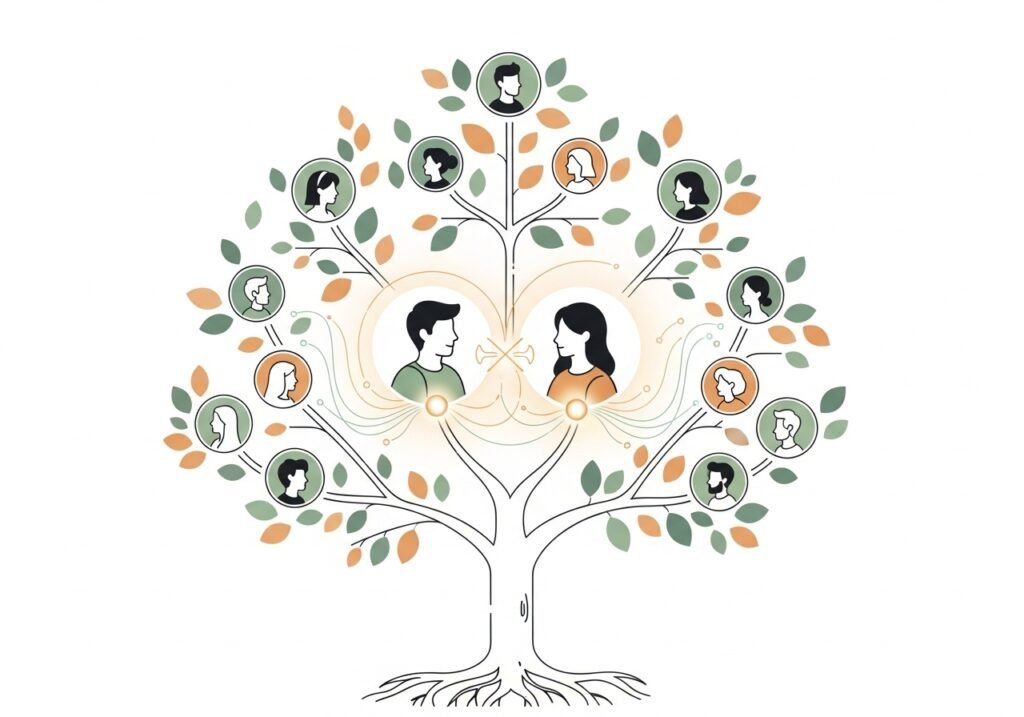
The Power of Sibling Empathy in Lifelong Relationships
Sibling empathy is one of the most powerful elements in creating long-lasting, emotionally rich family relationships. It helps siblings survive childhood challenges, transition into adulthood with mutual respect, and grow old with shared memories and unbreakable trust. Siblings with empathy become each other’s soft place to land offering grounding in uncertain times and celebrating life’s joys together. Whether it begins in childhood or is developed later in life, empathy turns siblinghood into something truly meaningful: a lifelong emotional partnership built on understanding, compassion, and unconditional support.

FAQs
FAQ 1: Can sibling empathy be developed later in life?
Absolutely. Even siblings who struggled in childhood or grew apart as adults can develop empathy later on. It begins with honest conversations, active listening, and small acts of emotional support. With consistency, the relationship can transform at any age.
FAQ 2: What causes siblings to lack empathy toward each other?
Lack of empathy often stems from unresolved childhood rivalry, emotional misunderstandings, personality differences, or limited communication. Sometimes siblings care deeply but don’t know how to express emotional understanding. Building empathy requires awareness and intentional effort from both sides.